The Ultimate Guide to Football Shoes: Performance, Fit, and Finding Your Edge
Choosing the right football shoes isn't just about style; it's about unlocking your potential on the pitch. Your football shoes are the critical link between your body and the turf, directly influencing your speed, agility, control, and ultimately, your performance. With so many options available, understanding the key features is essential to find your perfect match.
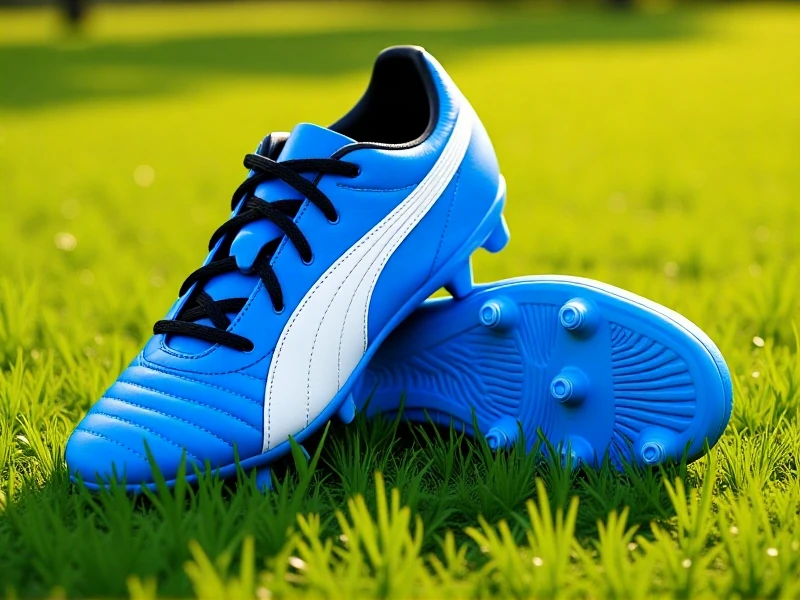
The foundation of any great pair of football shoes lies in the outsole and its stud configuration. Studs provide the vital traction needed for explosive acceleration, sharp cuts, and firm stability. Football shoes typically come in Firm Ground (FG) cleats, designed for natural grass pitches in good condition, featuring conical or bladed studs. For softer, wetter natural grass, Soft Ground (SG) cleats with longer, often replaceable metal studs offer superior grip. Artificial Grass (AG) football shoes have numerous shorter, more evenly distributed studs specifically engineered to interact safely and effectively with synthetic turf, reducing strain on joints. For indoor courts or very short turf, turf shoes (TF) or indoor shoes (IN) with rubber nubs or flat, grippy patterns are crucial. Selecting the wrong soleplate for your surface can dramatically increase injury risk and hinder performance.
Football shoes also vary significantly in upper material and construction, dictating touch, feel, and comfort. Traditional leather uppers (like kangaroo leather) are prized for their exceptional softness, comfort, and natural moulding to the foot, offering superb touch. Modern synthetics, such as knitted fabrics or advanced microfibers, dominate the market due to their lighter weight, consistent waterproofing, and ability to provide a supremely locked-in 'barefoot' sensation for ball control. Mesh panels are often integrated for enhanced breathability, keeping your feet cooler throughout intense matches.
Fit is non-negotiable. Football shoes should feel snug, like a natural extension of your foot, without painful pinching or excessive slipping. Heel lockdown is vital for stability during sprints and tackles. Consider factors like foot width – some brands offer wider options – and whether you prefer a low-cut, flexible design for agility or a mid-cut collar for added ankle support (though support is primarily muscular/ligament). Trying on multiple pairs and brands in the afternoon (when feet are slightly swollen) is the best strategy. Remember, football shoes generally need less breaking-in than regular shoes, but should never cause blisters from the start.
Ultimately, investing time in choosing the right pair of football shoes tailored to your playing style, position, usual pitch surfaces, and unique foot shape pays incredible dividends. They are your connection to the game, affecting every sprint, every turn, and every touch. Find the pair that gives you the confidence to push your limits, feel the ball, and leave it all on the pitch. The perfect football shoes aren't just footwear; they're your game-changing advantage.